


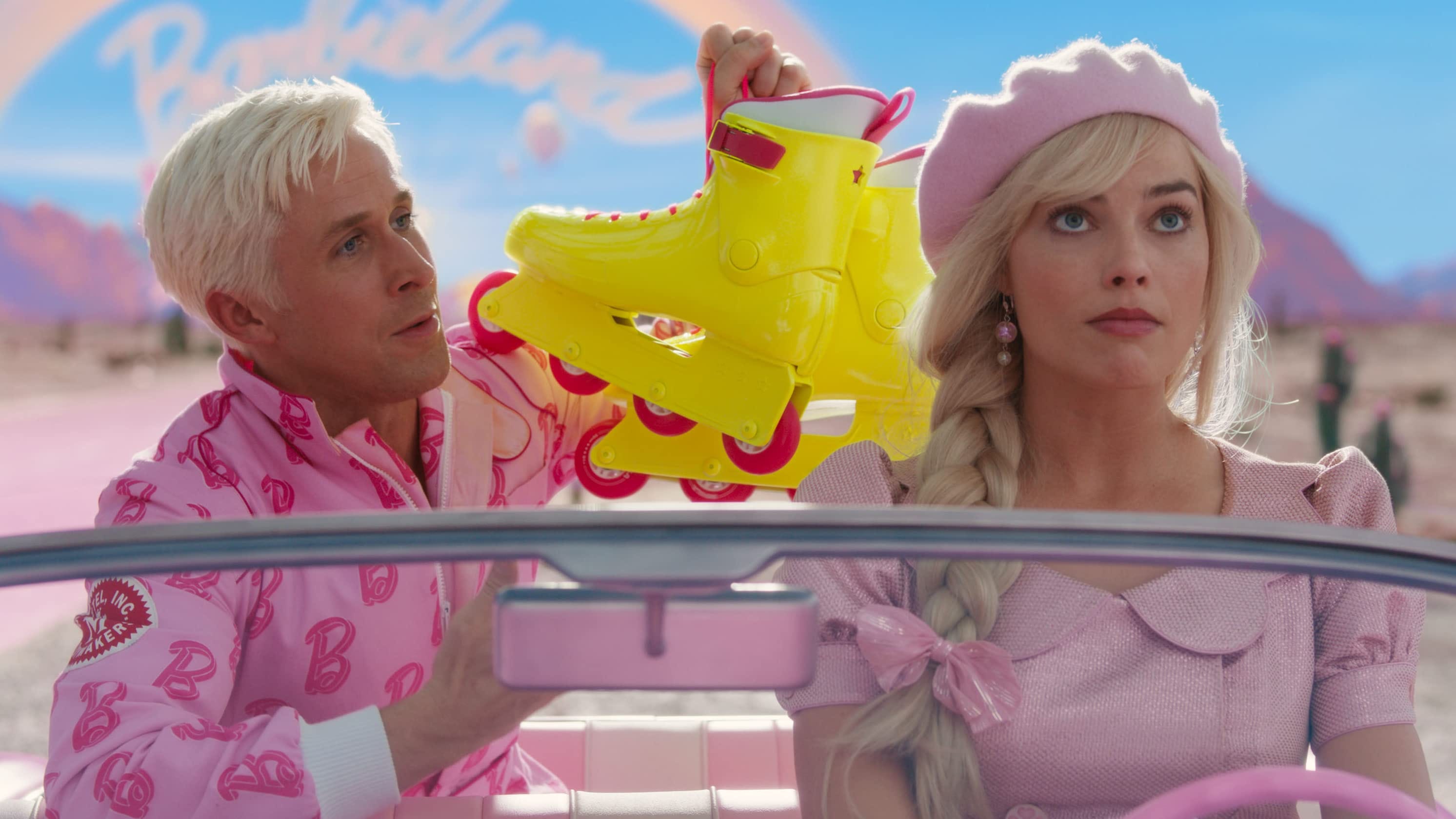
Warning: Thematic Spoilers Ahead. Nothing Major Plot-Related Though.
This past weekend, our family joined the millions who went to see Barbie. In a film industry that often feels like it’s on the brink of collapsing into the hands of independent media makers creating movies with smaller cameras on smaller budgets for smaller screens, Barbie is truly a feat in every way, becoming the new gold standard for what drives audiences from the comfort of their living room to the big screen.
What I can’t get over is just how many things Greta Gerwig’s Barbie gets right—all the things a big budget undertaking needs to in the 2020s, but rarely acheives. It pleases and pays homage to its brand backer, Mattel, and its complicated I.P. without glossing over those complications or sacrificing nuance. It’s diverse and inclusive without feeling token or patronizing. It’s a directorial accomplishment, visually stunning, but in a calculated, non-sensory-overloading kind of way. It takes a story that could have easily been about a singular figure (its namesake) and makes it a fun and poignant Collective Journey.
Barbie is a film that meets the moment without feeling like that’s its only goal. It’s equally focused on a transcendent point of view. Yes, Barbie is an uncompromising feminist tale, but beneath that, it offers an even more comprehensive theme, one that took me by surprise as it’s a drum I’ve been banging for a while now (In fact, it’s the subject of my new book).
In one of the film’s most climactic scenes, one character offers up the idea that Mattel should create a new kind of Barbie, a doll called “Ordinary Barbie.” The name speaks for itself.
The suggestion, I’d argue, is a flashpoint for a culture that’s felt increasingly Barbie-fied for as long Barbie has been around (circa 1959). While Instagram filters and validation-driven algorithms might be the toys of choice for 21st century consumers, make no mistake: It’s all still Barbie. It’s all a constant reminder that the ordinary human flesh machines we operate don’t measure up to a plastic gold standard we imagined and therefore must emulate.
While the movie Barbie cleverly points out why much of this dilemma can be blamed on the patriarchy and its persistence in the twenty-first century, it also reminds us that this isn’t a male or female problem, but a human one. When all the Kens in Barbieland go to war against each other, we’re reminded that when there isn’t a genuine acceptance for all that a man owns, even in his ordinary state, he’ll fight against other men in attempt to acquire what they own as well. This tendency, it seems, has always existed within us humans regardless of what gender we ascribe.
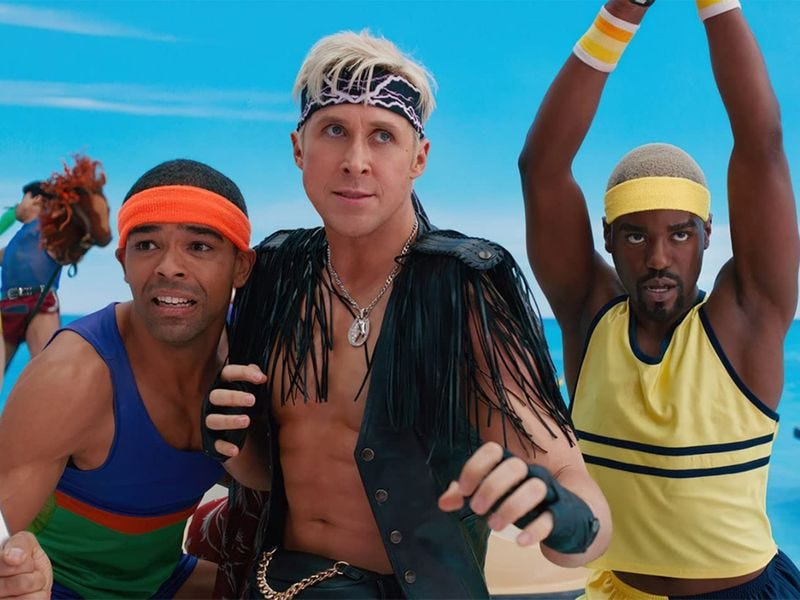
As I write in the book, the forgotten art of being ordinary means to behold with reverence all that we’ve been given, to comprehend the touchable grace that heaves in the marriage of molecules every single day without us sanctioning them, to see the “enoughness” of every thing.
The idea that we should all create an “Ordinary Barbie” marks a collective fed-upness with a culture led by personal brands and media influencers, a cry to tear down the platforms we’ve created and instead platform the strange, imperfect, and complicated beasts that we already are, accessories not included. It should cause us to consider how we handle the now inevitable introduction of artificial intelligence and metaverses, a new generation of problematic playthings. Will we forge a culture where these ideals comprised of plastic and pixels serve us or will we repeat history?
The forgotten art of being ordinary is also the art of bearing witness to something other than ourselves. It’s the practice of telling each other’s story instead of following the impulse to broadcast our own. It’s leveraging the tools afforded to us in the twenty first century not to construct a more perfect version of ourselves, but rather to reconstruct the untold and fragmented narratives of those with whom we find ourselves in uncompromised communion.
Greta Gerwig’s Barbie does just that with a discerning creativity. It proves while such a reconstruction process is obviously difficult, it can also be a whole lot of fun. Moreover, if this past weekend’s box office turnout is any indication, it seems like something many have been quietly longing for. A revolution of the ordinary is upon us.